Foundation problems are the most expensive defect in Dutch housing and the hardest to see. Roughly 500,000 homes are estimated to be at risk, around 100,000 of them in Amsterdam, and about one in five pre-1970 homes is affected. The cause is construction method: before 1970 houses in the soft western soils were built on wooden piles driven down to the sand layer, and those piles rot where groundwater drops below the pile heads — a risk climate change is increasing. Concrete piles, standard since 1970, rarely fail. Repairs run €30,000 to €120,000 or more, insurance almost never covers it, and the damage is usually invisible on a viewing. Since the 2026 valuation rules every Dutch valuation report states a foundation risk class from A to E, so ask for that class before you bid. Only a funderingsonderzoek gives a definitive answer for a specific house.
Foundation problems are the silent killer of Dutch real estate deals. With roughly 1 in 5 pre-1970 homes affected—especially in Amsterdam, Rotterdam, and Zaandam—understanding the warning signs, repair costs, and negotiation leverage can mean the difference between a smart purchase and a financial disaster.
Critical Numbers
- • ~500,000 Dutch homes currently at risk of foundation issues (KCAF estimate, rising with climate change)
- • Repair costs: €30,000–€120,000+ depending on severity
- • Wooden pile foundations (pre-1970) are highest risk
- • Amsterdam alone: ~100,000 homes at risk
- • Insurance rarely covers foundation failure
Types of Foundations in the Netherlands
Wooden Piles (Houten Palen)
Used before 1970. Pine or spruce piles driven into soft clay to reach the sand layer below. Vulnerable to rot when groundwater drops below pile heads.
Concrete Piles (Betonnen Palen)
Standard since 1970. Pre-cast or poured-in-place concrete piles. Extremely durable, lasting 100+ years with minimal maintenance.
Shallow Foundation (Op Staal)
No piles—building rests directly on soil. Common in eastern/southern Netherlands where ground is stable. Vulnerable to soil settlement.
Steel Piles (Stalen Palen)
Modern solution for foundation repair. Screwed or driven into ground alongside existing piles. Used for underpinning failing foundations.
Warning Signs to Spot During Viewings
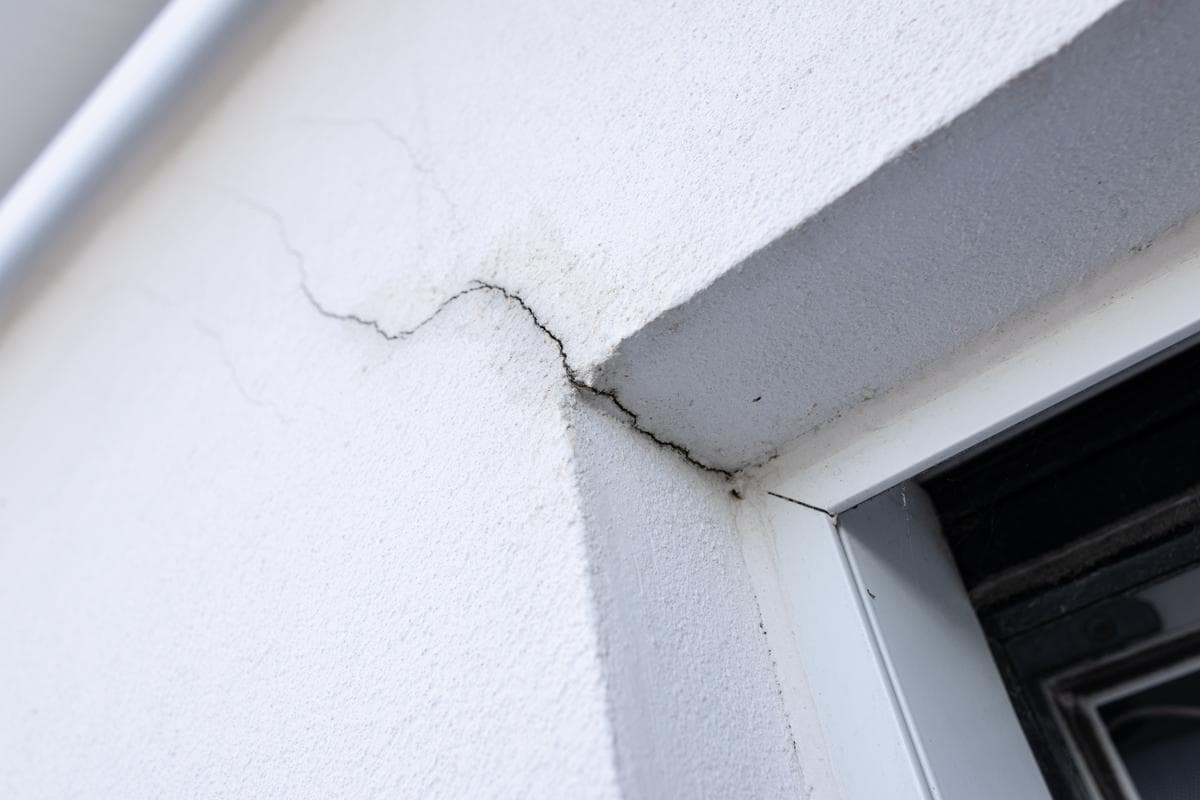
Diagonal cracks above windows/doors
High RiskIndicates differential settlement—one side sinking faster than the other. Cracks wider than 3mm are serious.
Doors and windows that stick or won't close
Medium RiskFrame distortion from uneven settling. Check if recently planed (seller may be hiding the issue).
Sloping floors (use a marble test)
High RiskPlace a marble on the floor. If it rolls consistently in one direction, the foundation may be failing.
Gaps between walls and ceiling/floor
High RiskSeparation indicates structural movement. Check if gaps are fresh (no paint/filler) or old.
Damp or musty smell in crawl space
Medium RiskCould indicate groundwater issues affecting wooden piles. Request crawl space inspection.
Patched or freshly painted cracks
Medium RiskCosmetic repairs may hide ongoing structural issues. Ask directly about foundation history.
Repair Costs Breakdown
| Repair Type | Cost Range | Duration |
|---|---|---|
| Partial underpinning (1-2 walls) | €30,000–€50,000 | 4-8 weeks |
| Full foundation replacement | €60,000–€120,000 | 8-16 weeks |
| Pile pressing (new steel piles) | €40,000–€80,000 | 6-12 weeks |
| Soil injection (stabilization) | €15,000–€30,000 | 1-3 weeks |
| Foundation investigation report | €1,500–€3,000 | 1-2 weeks |
High-Risk Areas in the Netherlands
Cities with Highest Foundation Risk
Amsterdam
~100,000 homes at risk. Wooden piles in clay soil.
Rotterdam
~80,000 homes. Peat soil compounds issues.
Zaandam
~30,000 homes. Very soft soil conditions.
Dordrecht
~20,000 homes. River delta settlement.
Negotiation Strategy
If a foundation report reveals issues, you have significant negotiation leverage. Here's how to use it:
Smart Moves
- •Always request foundation report before bidding
- •Get 2-3 repair quotes to establish true cost
- •Deduct full repair cost from your offer
- •Include foundation clause in purchase agreement
- •Check if neighbors have already repaired (shared walls)
Red Flags
- •Seller refuses foundation inspection
- •Recent cosmetic repairs hiding cracks
- •Neighbors' homes visibly sinking
- •No foundation documentation available
- •Price suspiciously below market value
Frequently Asked Questions
Does home insurance cover foundation problems?
Almost never. Standard home insurance (opstalverzekering) excludes foundation failure, settlement, and subsidence. Some specialized policies exist but are expensive and have strict conditions. Always budget for foundation repairs separately.
Can I get a mortgage for a home with foundation issues?
It depends on severity. Minor issues with a repair plan may be acceptable. Severe problems often result in lower valuations, reducing your maximum mortgage. Some banks require a foundation report for pre-1970 homes in high-risk areas.
Are there government subsidies for foundation repair?
The national Fonds Duurzaam Funderingsherstel (FDF) offers low-interest loans for foundation repair. Some municipalities have additional subsidy programs. Check your local gemeente website for current options.